Super Bowl halftime shows have always been high-stakes affairs, but Bad Bunny’s performance at Super Bowl LX, presented by Apple Music and executively produced by ROCNation, redefined the big game day show entirely. The Latin Trap superstar didn’t just take the stage. In fact, he transformed Levi’s Stadium into a vibrant slice of Puerto Rico, delivering a cultural celebration that fans will remember for years.
From Vega Baja To Levi’s Stadium
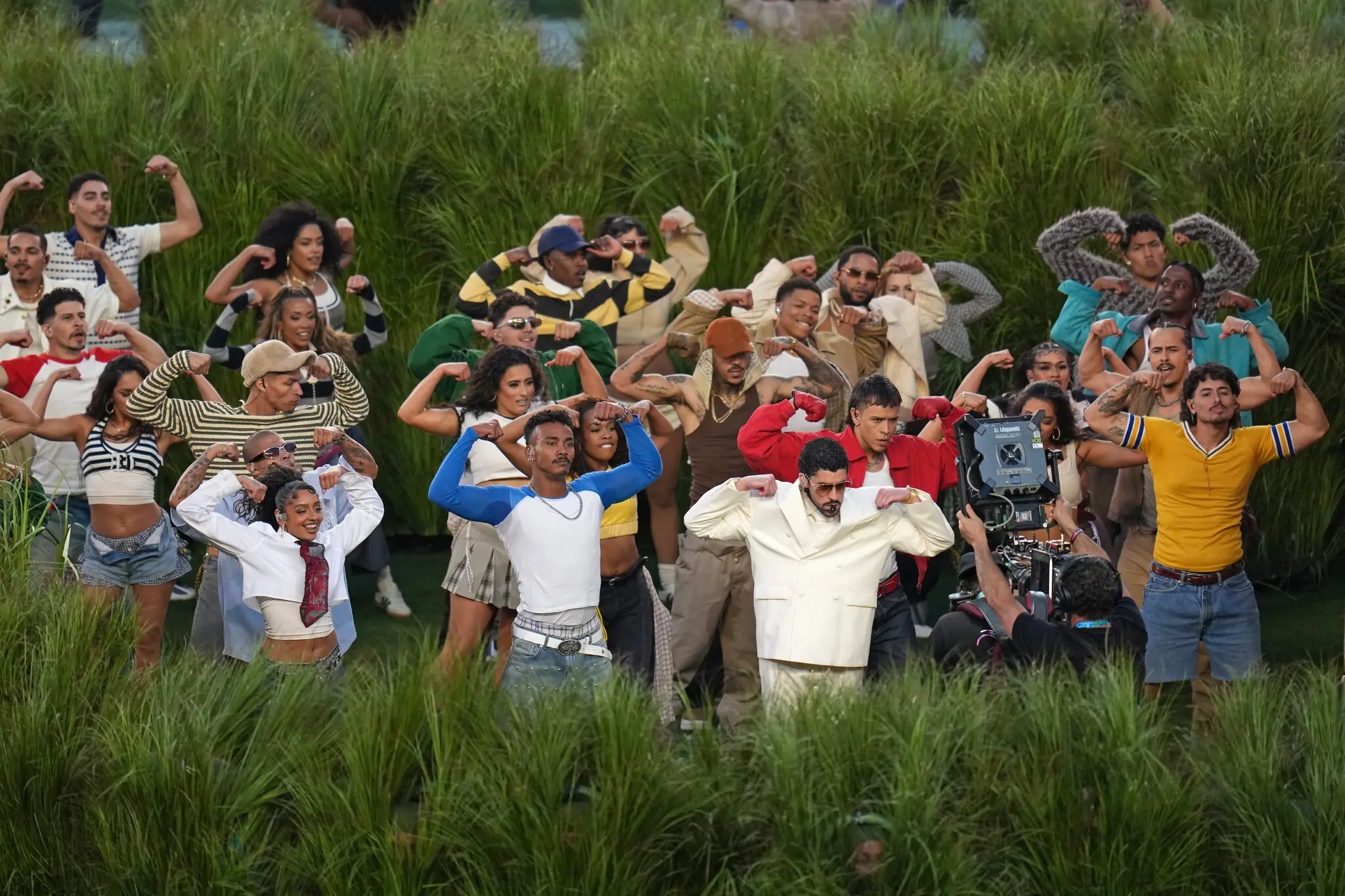
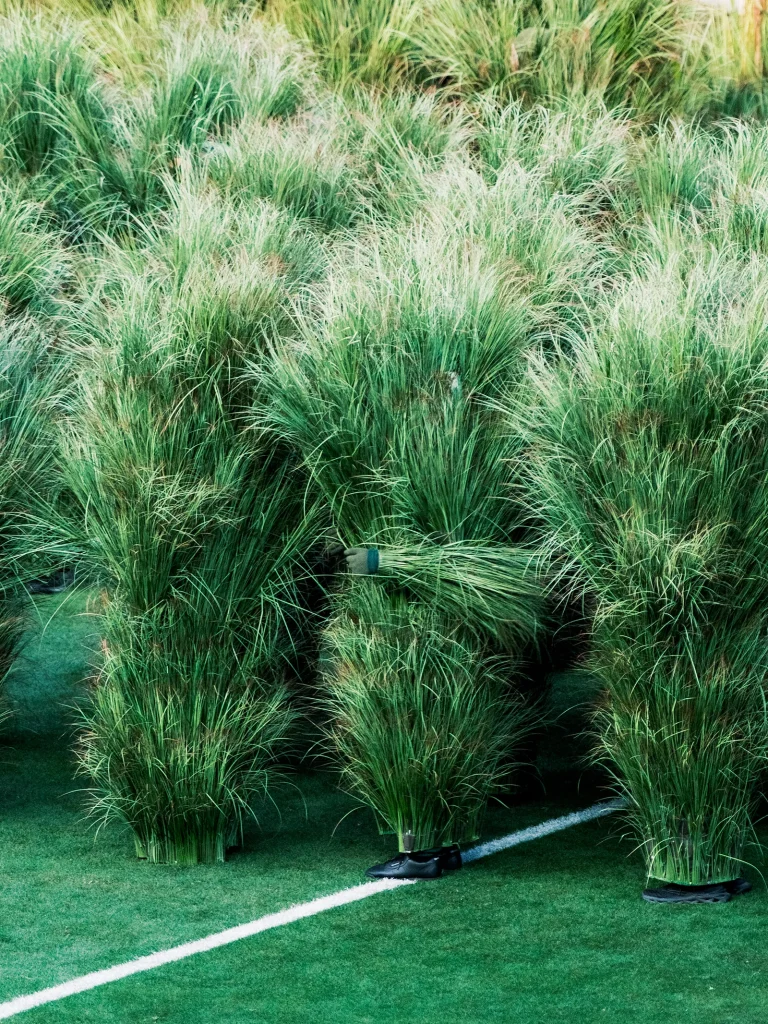
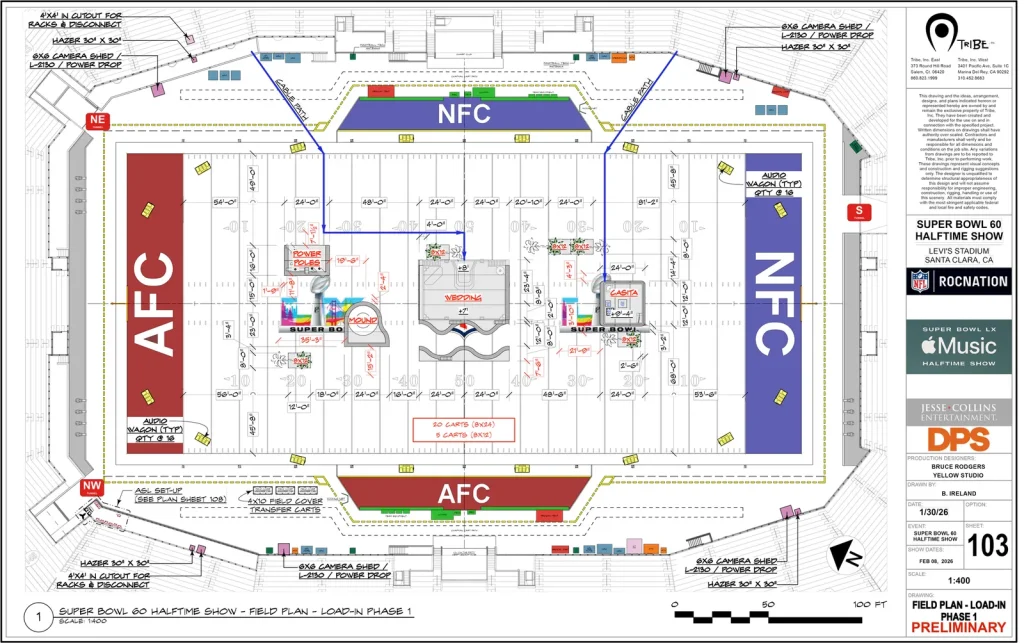
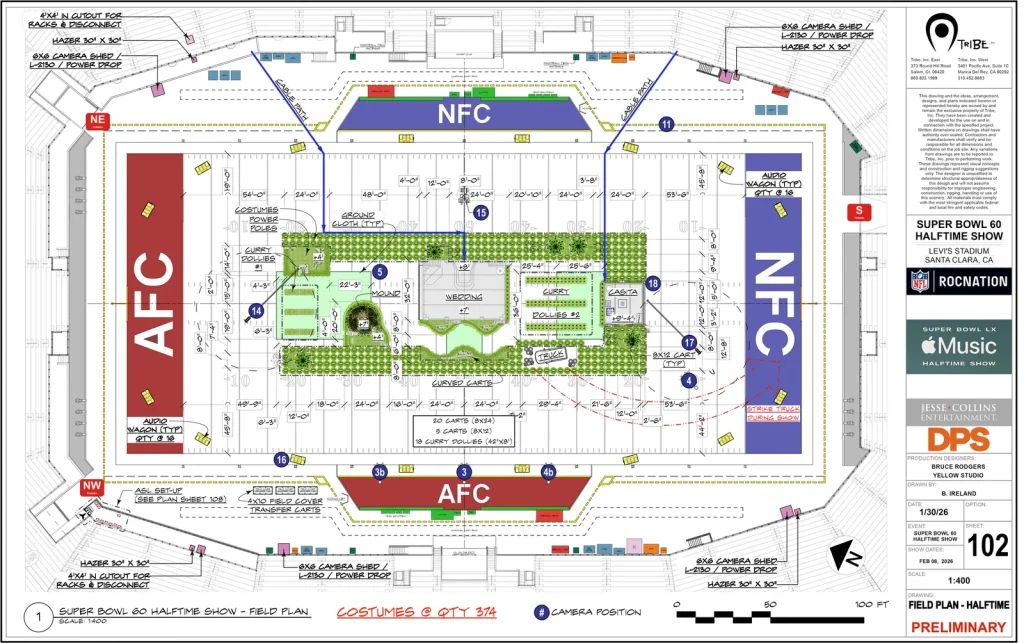
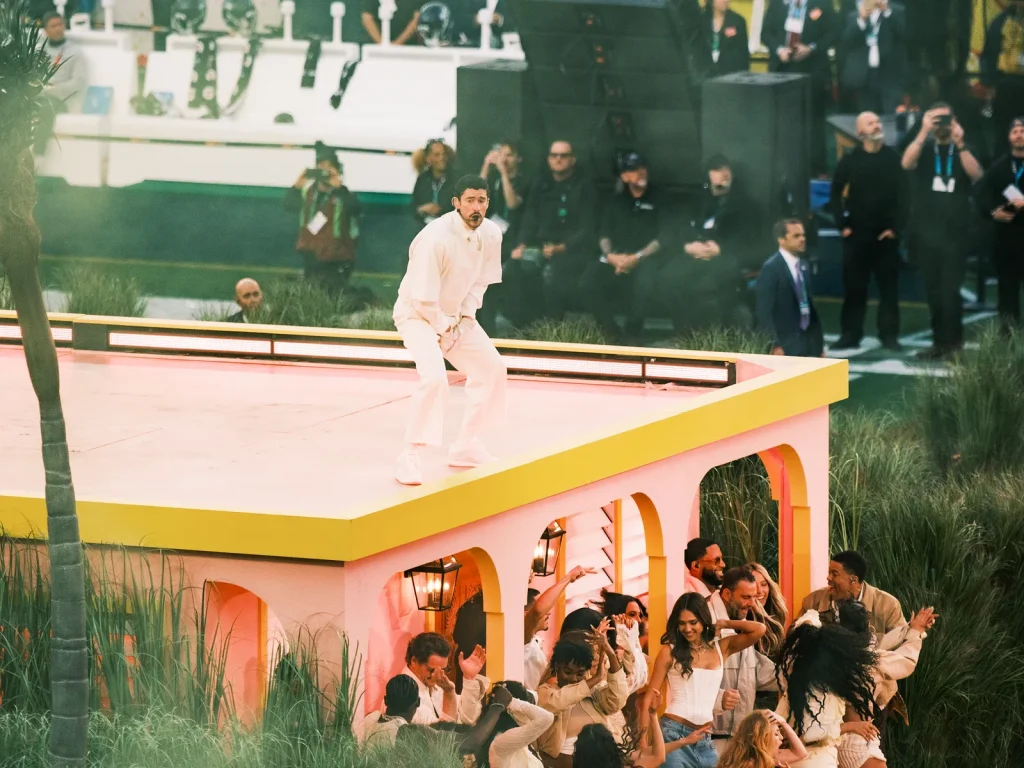
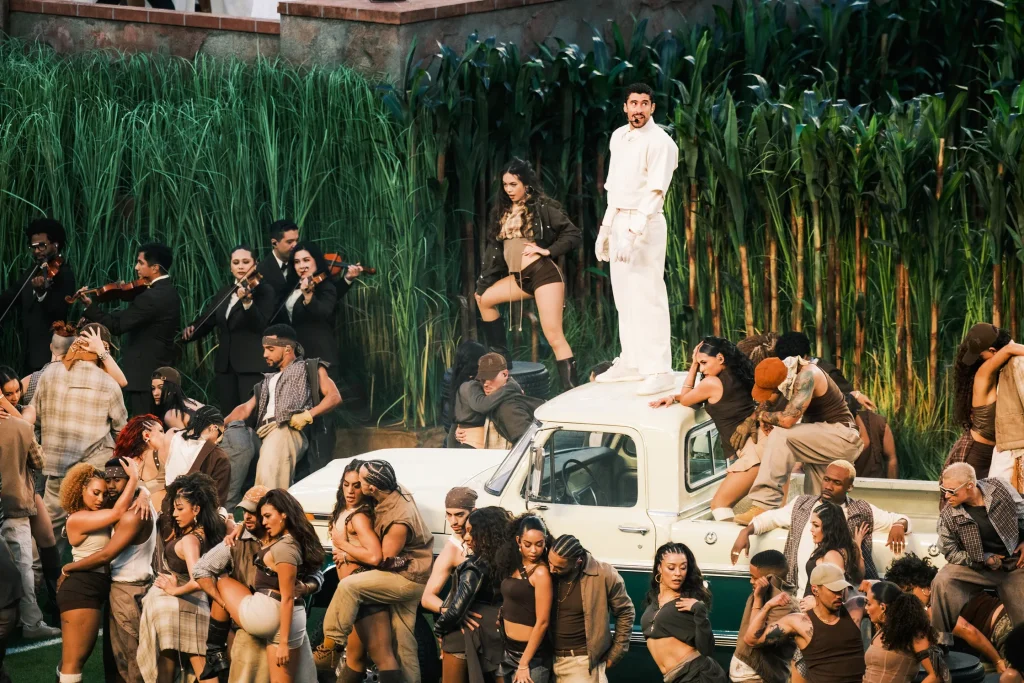
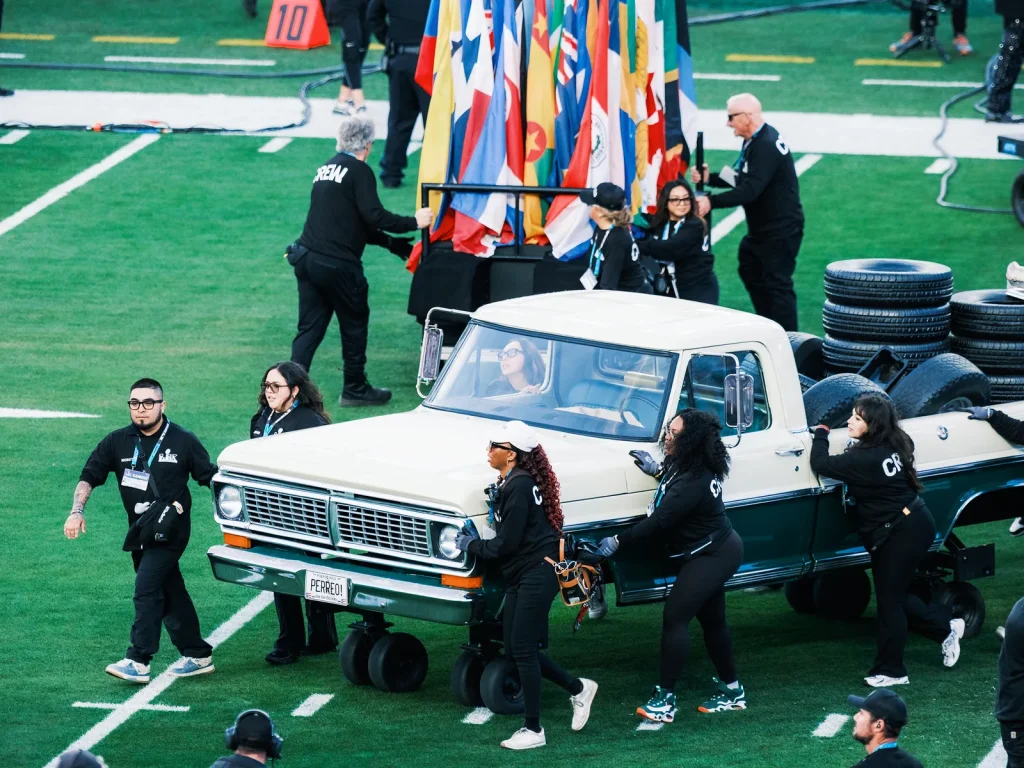
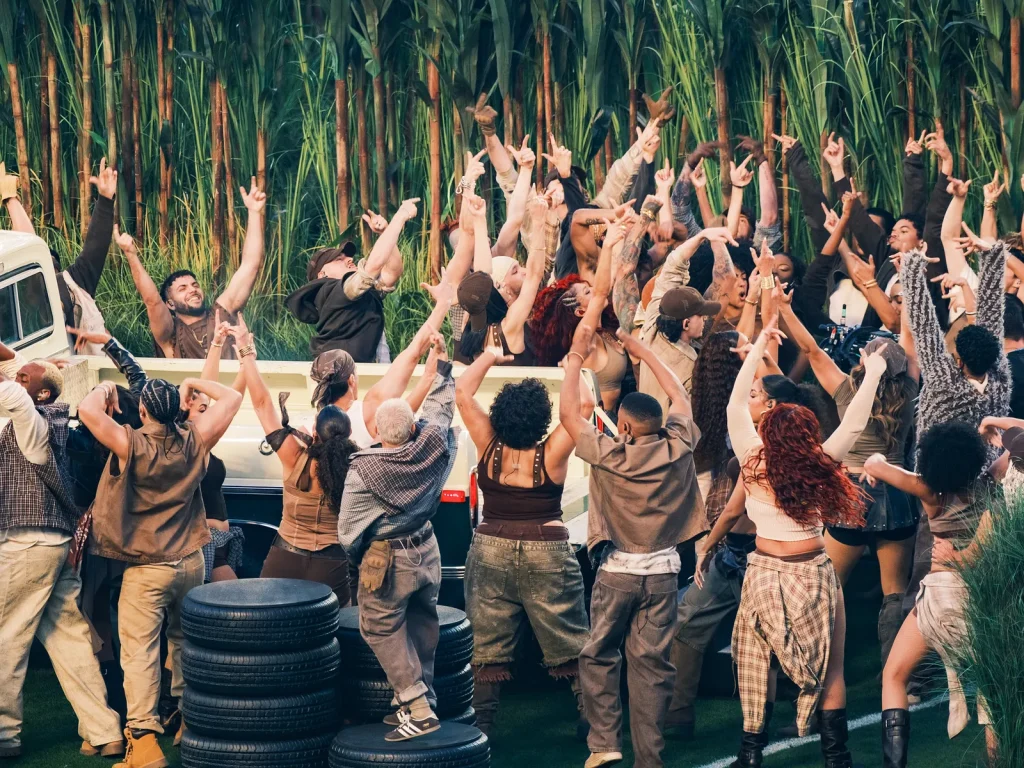
Benito Antonio Martínez Ocasio—better known as Bad Bunny—wanted his halftime show to capture the spirit of his Puerto Rican residency. The field came alive with casitas, a vintage truck, sugarcane stalks, and a living, breathing palm landscape. Over 380 performers donned costumes to become part of the scenery, moving the living stage across the field on specially designed “turf tires”.
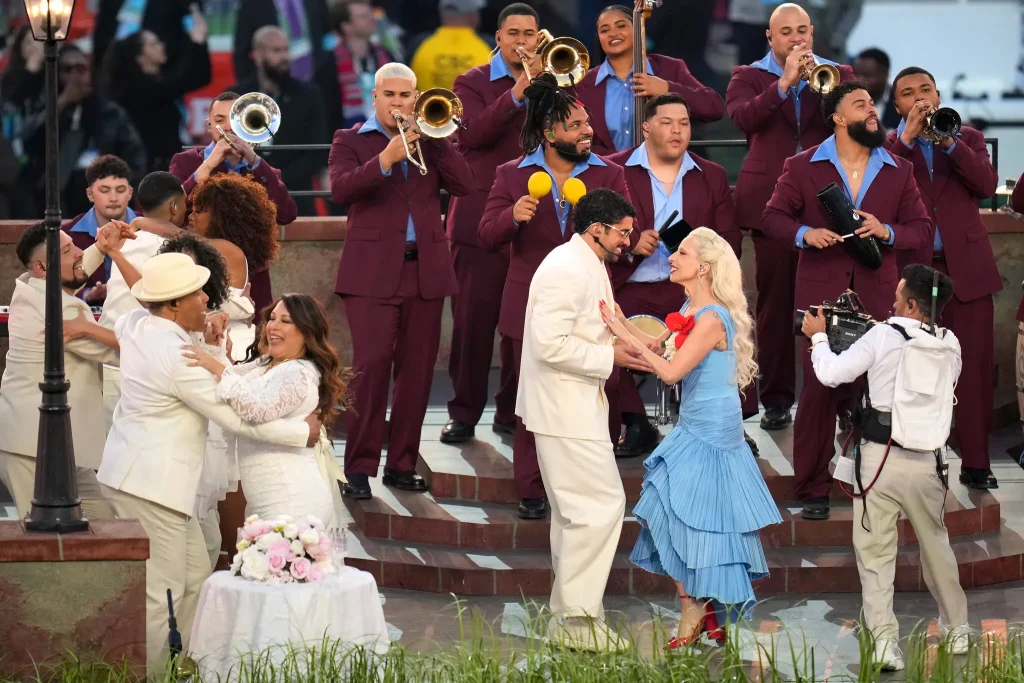
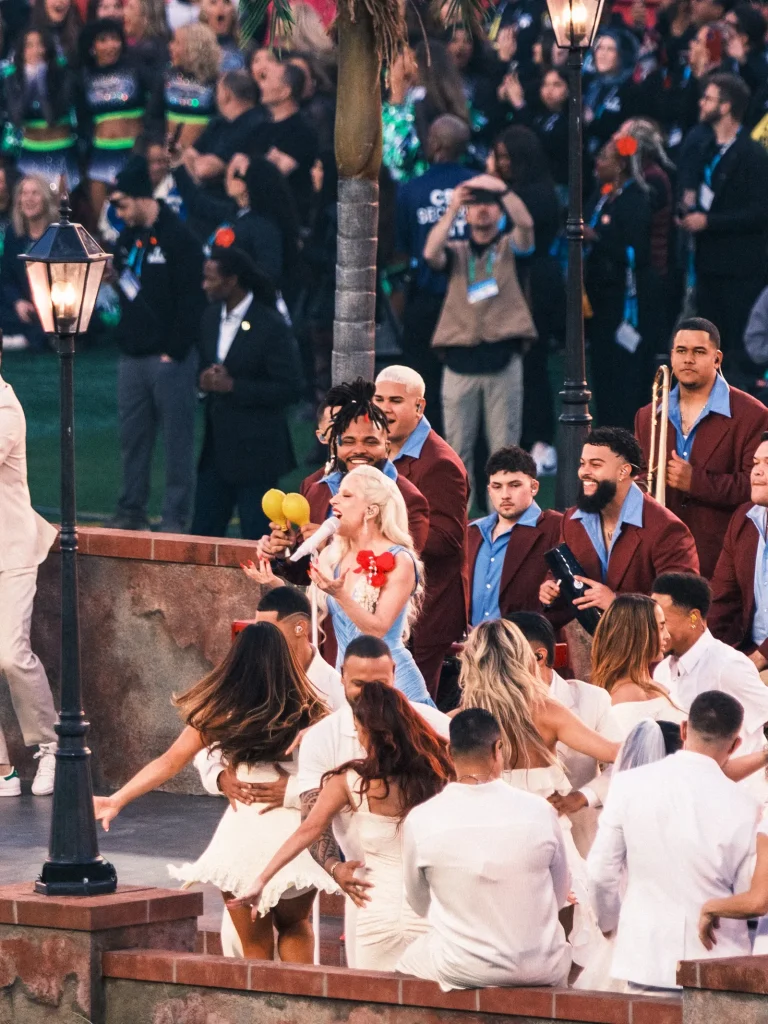
The result was a living homage to Puerto Rico, perfectly blending music, theater, and spectacle. From the opening casita scene to the energetic wedding sequence, every detail celebrated the island’s culture, history, and vibrancy.
A Star-Studded Celebration
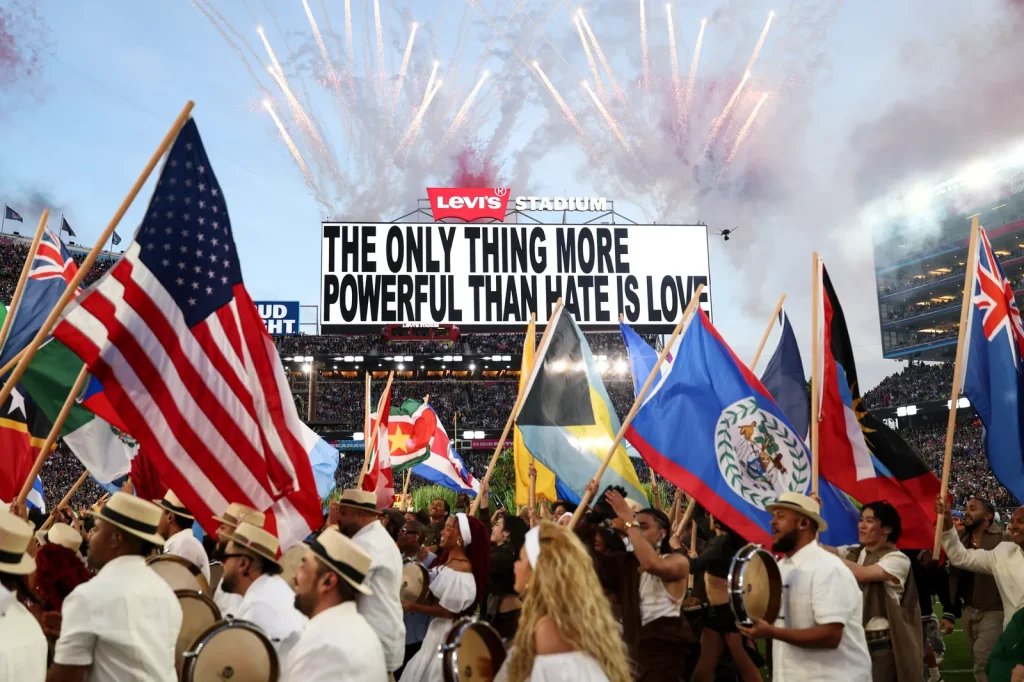
Bad Bunny’s halftime show featured high-profile cameos from Pedro Pascal, Cardi B, Jessica Alba, Karol G, and Young Miko. The performance also included a special duet with Lady Gaga, who joined him for “Die With a Smile” during the wedding scene. The show didn’t just celebrate music…it celebrated Latino heritage, unity, and love, culminating with Bad Bunny carrying a football through the end zone as a parade of flags from across the Americas marched behind him, accompanied by the message: “The only thing more powerful than hate is love”.
Music, Message, and Meaning
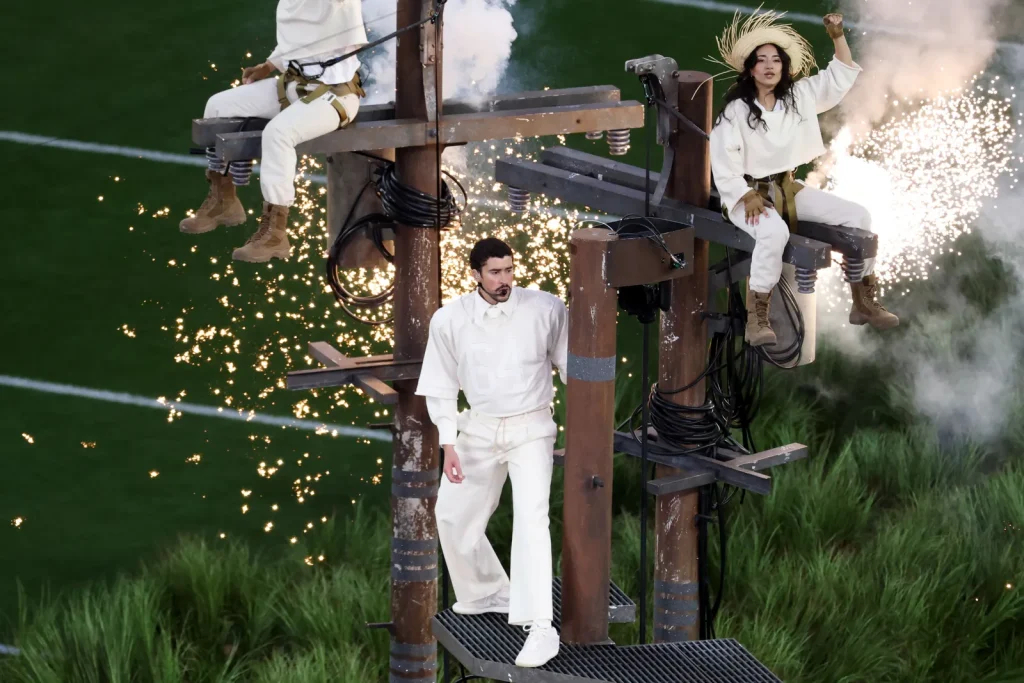
The setlist highlighted hits from Bad Bunny’s 2025 album Debí Tirar Más Fotos, including “NUEVAYoL,” “Monaco,” “El Apagón,” and the finale “DtMF.” With immersive storytelling from domino players to sugarcane plantations the performance honored Puerto Rican culture and resilience, even nodding to recent events like the island’s electrical outages.
Bad Bunny’s all-white football-inspired outfit, emblazoned with “OCASIO” and the number 64, symbolized his connection to sport and culture. This was a halftime show that combined music, politics, and cultural pride, demonstrating that entertainment can also be a platform for social commentary.
Breaking Barriers, Making History
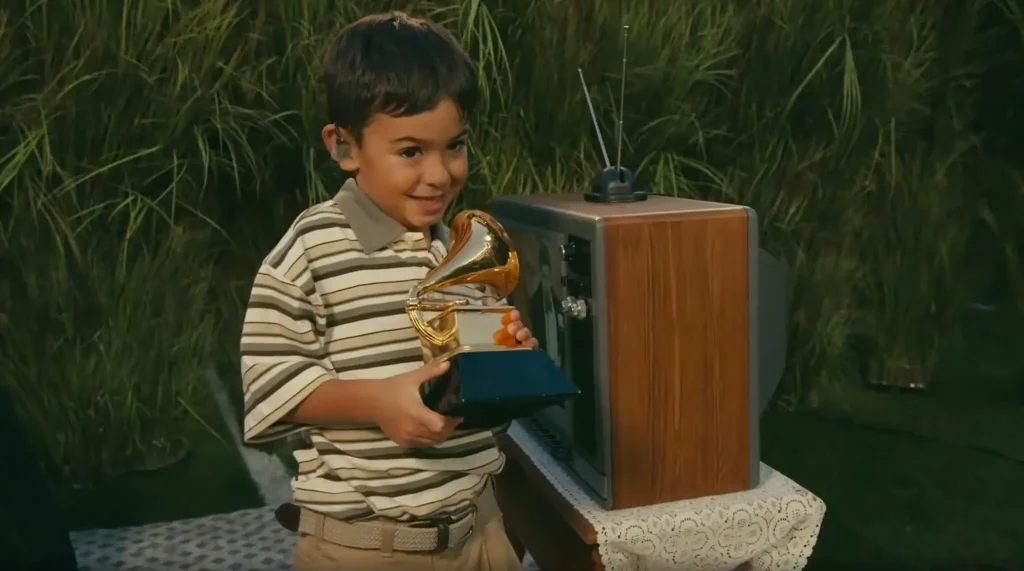
The performance came amid a politically charged environment. Bad Bunny, a vocal critic of ICE and a longtime supporter of the LGBTQ+ community, delivered a show entirely in Spanish, proving that music transcends language. He became the first artist to win a Grammy for Album of the Year for an all-Spanish record, cementing his influence in global pop culture.
The NFL’s decision to feature Bad Bunny was not only a win for diversity but also for their international audience reach, showcasing the power of music to unite communities. “Not everyone has to like everything we do,” said NFL Chief Marketing Officer Tim Ellis. “Bad Bunny is fucking awesome!”
A Performance That Resonates
Bad Bunny’s halftime show was more than just entertainment. It was a statement. A celebration of heritage, unity, and love. From the meticulous stage design to the emotional resonance of his songs, every element spoke to the artist’s vision and Puerto Rico’s spirit. He delivered not just a performance, but a cultural moment, leaving an indelible mark on Super Bowl history.
Bad Bunny didn’t just perform at Super Bowl LX, but he brought Puerto Rico to the world. And with football in hand and love on display, he proved that the only thing more powerful than hate is, indeed, love.