
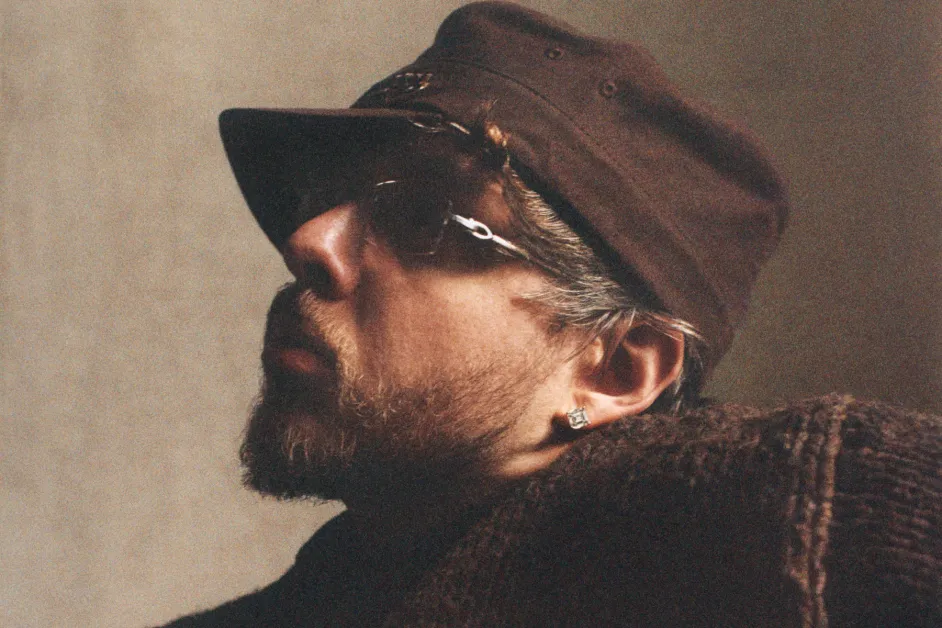
Jack Harlow is entering a new creative era. One defined less by punchlines and more by soul. With the release of his fourth studio album Monica, the Louisville-born rapper signals a bold sonic pivot. In doing so, he leans heavily into the lush textures of R&B and neo-soul. Released on March 13th, 2026, the nine-track project represents a thoughtful recalibration of Harlow’s sound, showcasing an artist eager to evolve while honoring the musical influences that shaped him.
Named after legendary R&B icon Monica, the album’s title alone hints at the direction Harlow is taking a smoother, more melodic lane inspired by the golden era of late ’90s and early 2000s R&B. And for Harlow, the shift is anything but accidental.
A Deliberate Evolution
Across Monica, Harlow steps away from some of the rapid-fire wordplay and witty punchlines that defined earlier hits, choosing instead to explore warmer production, melodic songwriting, and emotionally textured performances.
The result is a project that feels intentionally refined. Arriving as a collection of songs designed to be intimate, soulful, and deeply musical. Rather than chasing trends, Harlow appears focused on crafting records that invite listeners to feel something.
A Conversation About Influence
In a recent appearance on Popcast from The New York Times, hosted by Jon Caramanica and Joe Coscarelli, Harlow addressed the album’s surprising direction and the deeper motivations behind it.
During the conversation, the hosts pointed out that rather than stepping away from hip-hop toward traditionally “safer” genres, Harlow leaned even further into the sounds rooted in Black musical traditions. Harlow acknowledged that awareness openly.
“I think I love Black music. I love the sound of Black music… I love the sound of soft, intimate, melodic music. I want to write melodies that invite people to sing along” he said during the interview.
His comments highlight the delicate balance he’s navigating. In doing so, he honors the influence of Black music while remaining conscious of the cultural context surrounding it.
Finding His Own Voice
Harlow also reflected on how his artistic priorities have shifted as his career matures. Drawing inspiration from artists like Drake, he described coming from “the school of Drake,” where fluidity between rap and melody is part of the creative blueprint. But with Monica, Harlow says he’s moving further away from imitation and focusing more on authenticity.
“As I’ve gotten older… I’ve become more concerned with finding my voice and who I really am as an artist” he explained
That self-awareness is evident throughout the project, which feels less like an experiment and more like a natural evolution.
The Beginning Of A New Chapter
At just nine tracks, Monica is concise yet purposeful. Arriving as a project that introduces a new artistic direction without overwhelming listeners. The album feels like the opening chapter of a broader transformation for Harlow, one that prioritizes musicality, emotional nuance, and timeless influences over viral moments.
For fans accustomed to the charismatic swag of hits like “Just Us,” the album may initially feel like a surprise. But for Harlow, it represents something far more important: growth. And if Monica is any indication, Jack Harlow’s next era may be his most musically compelling yet.