
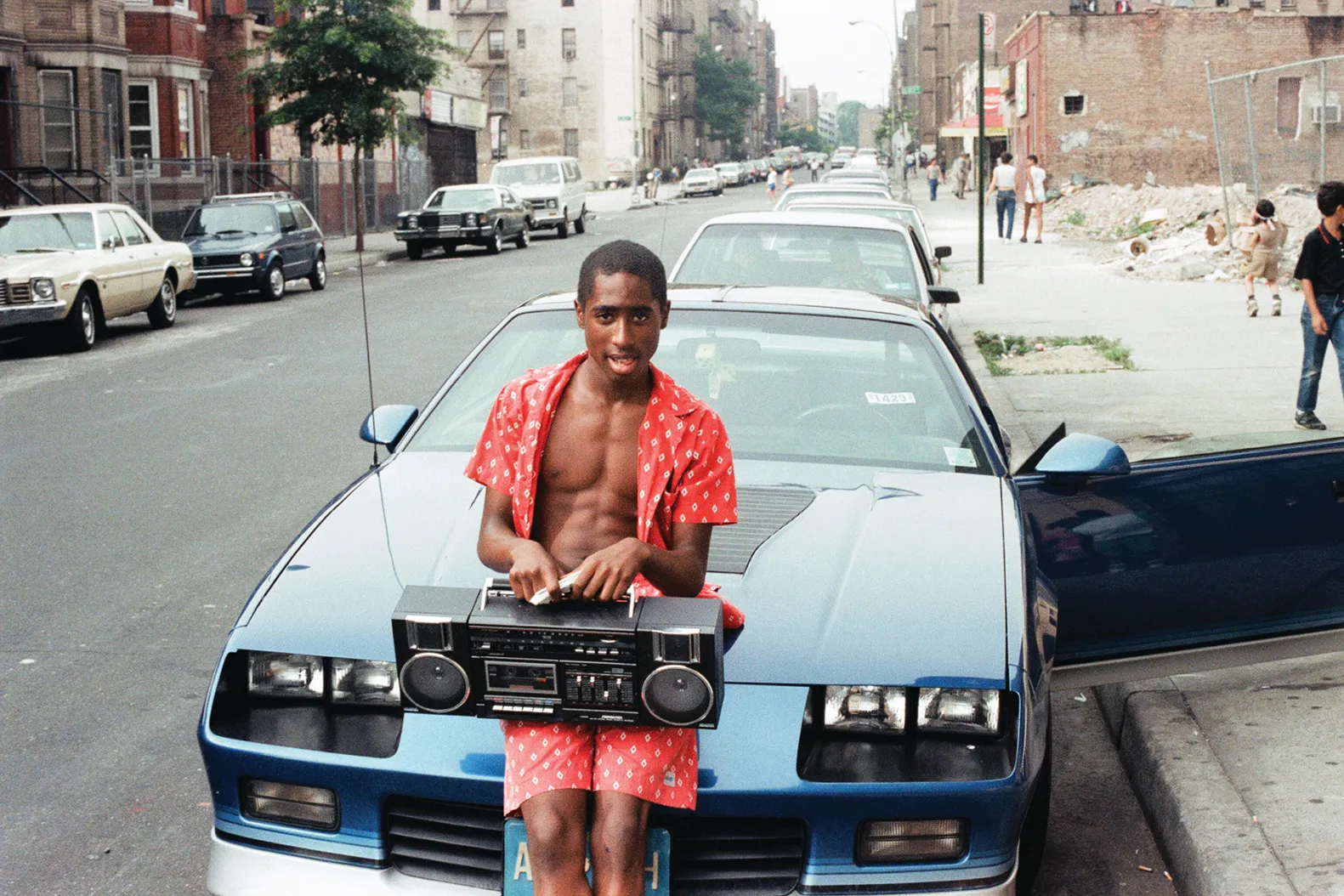
Nearly 30 Years After His Passing, Tupac’s Legacy Lives On In Baltimore
The legacy of Tupac Shakur continues to transcend generations, and now, the city that helped shape his artistic voice is making sure his impact remains permanently woven into its streets. On Friday, Baltimore officially renamed a portion of Greenmount Avenue as “Tupac Shakur Way,” honoring the hip-hop icon nearly three decades after his untimely death.
While Tupac was born in New York City, it was Baltimore where much of his creative identity began to take form. Moving to the city in 1984 as a teenager, Tupac attended Roland Park Middle School, Paul Laurence Dunbar High School, and later the prestigious Baltimore School for the Arts, where he studied acting, poetry, jazz, and ballet.
Now, decades later, the same neighborhood where Tupac once lived with his mother and sister has become a permanent landmark dedicated to his enduring cultural influence.

A Celebration Rooted In Community, Art, and Healing
The street renaming ceremony was far more than a symbolic unveiling. In fact, it became a citywide celebration of artistry, activism, and community empowerment. The event featured rap and spoken-word performances, the unveiling of both the “Tupac Shakur Way” street sign and a peace pole, and even a special appearance by the Baltimore Orioles mascot.
Tupac’s sister, Sekyiwa Shakur, attended the emotional ceremony and emphasized the deeper purpose behind the memorials being established throughout the city. She expressed hope that the peace pole and surrounding area would become a place of refuge and safety for Baltimore’s youth. An extension of the values Tupac himself often championed through his music and activism.
The initiative also aligns with the mission of the Tupac Amaru Shakur Foundation, which continues planting peace poles across cities nationwide to encourage healing, protection, and community solidarity.
Mayor Brandon Scott Reflects On Tupac’s Baltimore Roots
During the ceremony, Brandon Scott spoke passionately about the profound role Baltimore played in Tupac’s evolution… not just as an artist, but as a voice for a generation.
According to Scott, Baltimore was where Tupac “really became a rapper,” pointing to formative moments throughout the city: writing early lyrics in Mullan Park, winning his first rap competition at the Enoch Pratt Free Library, and performing his first concert at the Cherry Hill Recreation Center.
Scott also reflected emotionally on learning about Tupac’s death in 1996 while attending middle school himself, describing the moment as a devastating loss felt deeply throughout the Black community and among young people who saw Tupac as their voice. His remarks reinforced what many fans have long believed, that Tupac’s relationship with Baltimore was never temporary—it was transformational.
More Than A Rap Icon
Though often remembered for his groundbreaking contributions to hip-hop, Tupac’s artistry extended far beyond music. Songs like “Changes“, “California Love“, “Dear Mama“, “Keep Ya Head Up“, “Hail Mary“, and “Ambitionz Az a Ridah” showcased his ability to blend social commentary, vulnerability, and raw intensity in ways that permanently changed hip-hop culture.
Beyond music, Tupac also established himself as a compelling actor with standout performances in films such as Poetic Justice, Juice, Above the Rim, Bullet, and Gridlock’d. His artistry, activism, and emotional honesty made him far more than a rapper. Because of this he became a symbol of resilience, truth, and cultural awakening.
A Legacy That Still Speaks To New Generations
Nearly 30 years after his passing in Las Vegas, Tupac’s influence remains deeply embedded in music, fashion, film, and political discourse. His words continue to inspire artists and activists alike, while his vision for empowerment and social change feels as relevant today as ever.
By renaming Greenmount Avenue as “Tupac Shakur Way,” Baltimore is doing more than honoring a global superstar. It is reclaiming and preserving a vital piece of cultural history.
For the city, for hip-hop, and for generations still discovering his voice, Tupac Shakur’s legacy continues to live far beyond the music.