
Justin Bieber, Shakira, Madonna, BTS, Burna Boy, Coldplay, and more transformed the 2026 FIFA World Cup Final into an unforgettable celebration of music, culture, and unity before Spain lifted the trophy.
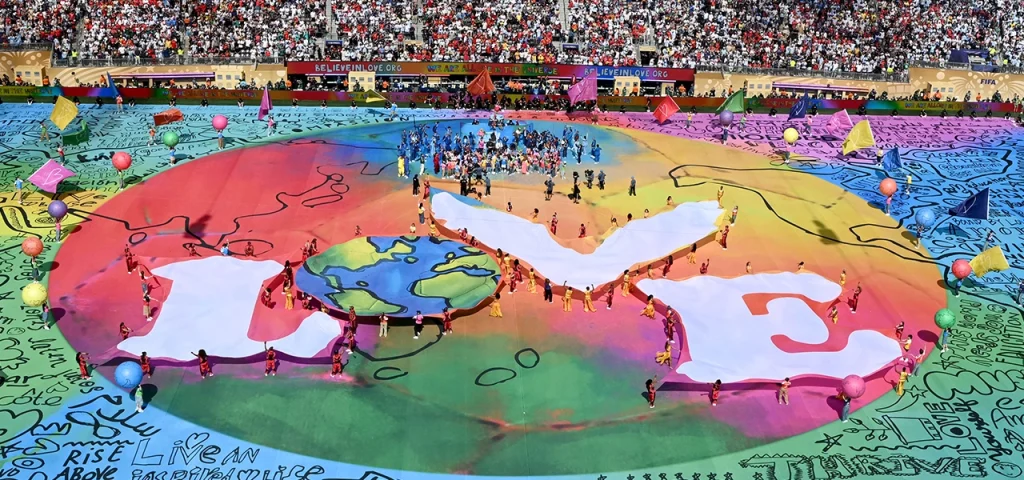
The final whistle of the 2026 FIFA World Cup didn’t just crown a new world champion. In fact, it marked the beginning of a new era for global sports entertainment. Before Spain edged Argentina 1-0 to capture its second FIFA World Cup title, millions of viewers around the world witnessed a historic first: FIFA’s inaugural World Cup Final Halftime Show. Long synonymous with the spectacle of the Super Bowl, the halftime concert made its long-awaited debut on soccer’s grandest stage, transforming New York New Jersey Stadium into a global celebration of music, culture, and community. For just 11 minutes, soccer and entertainment collided in spectacular fashion, proving that the world’s biggest sporting event can also host one of its biggest musical showcases.
A Star-Studded Celebration Before Kickoff
The festivities began well before the opening whistle. Hollywood icon Tom Cruise welcomed the world with an inspiring message about unity, perseverance, and the universal language of football, celebrating the way the tournament had brought nations together over the previous month. Grammy and Academy Award-winning vocalist Jennifer Hudson delivered a soaring rendition of the national anthem, filling the stadium with emotion as fans from around the globe prepared for one final match.
Music stars Post Malone, Swae Lee, Robbie Williams, Nicole Scherzinger, Italian superstar Laura Pausini, and internet phenomenon IShowSpeed also took part in the pre-match festivities, creating an atmosphere that felt every bit as monumental as the championship itself. Yet the biggest surprise was still to come.
FIFA Delivers A Halftime Show Worthy Of The World Stage
For decades, fans have wondered what a FIFA World Cup halftime show might look like. The answer was nothing short of extraordinary.
Curated by Coldplay frontman Chris Martin and produced by Global Citizen, Live Nation, and Done + Dusted, the performance seamlessly blended global superstars, orchestral excellence, cultural storytelling, and heartfelt messages into one unforgettable production.
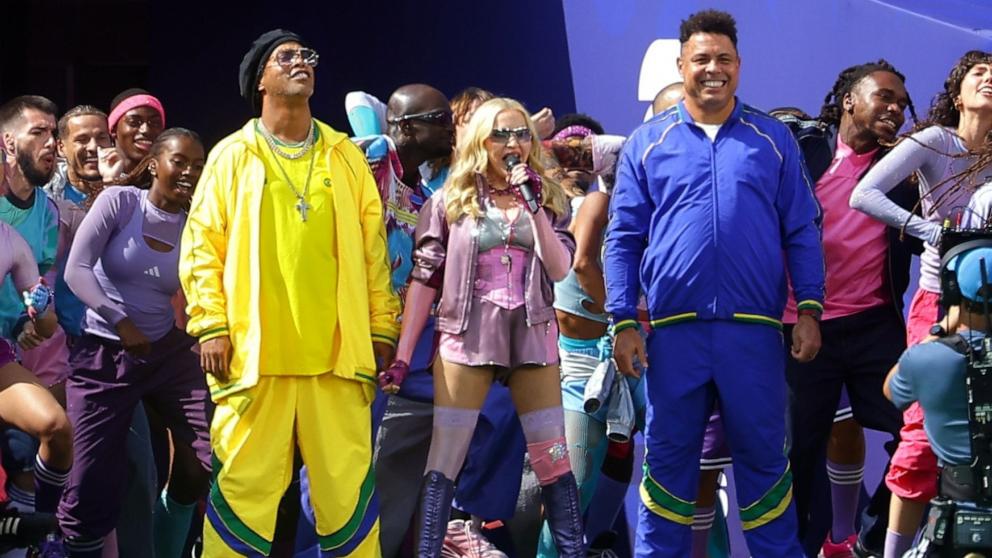
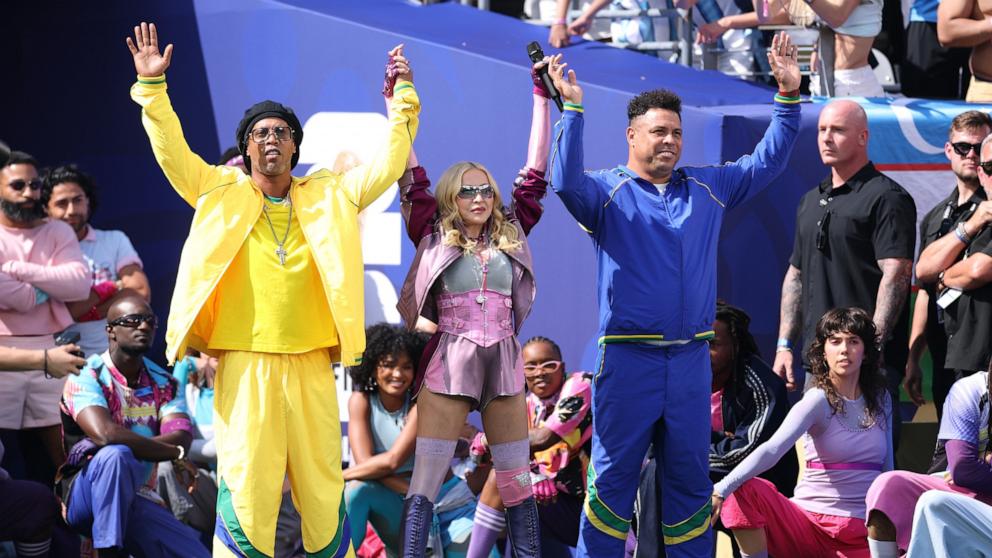
The show opened in dramatic fashion as Madonna emerged through a subway-inspired tunnel to perform her timeless hit “Music,” accompanied by Brazilian football legends Ronaldo and Ronaldinho, instantly setting an electrifying tone for the evening.
From there, audiences were treated to a whirlwind journey across genres and generations. The legendary Gustavo Dudamel conducted a combined orchestra featuring musicians from the New York Philharmonic and the Simón Bolívar Symphony Orchestra of Venezuela, joined by beloved Muppets Kermit the Frog and Miss Piggy for a playful orchestral rendition of “Seven Nation Army.”
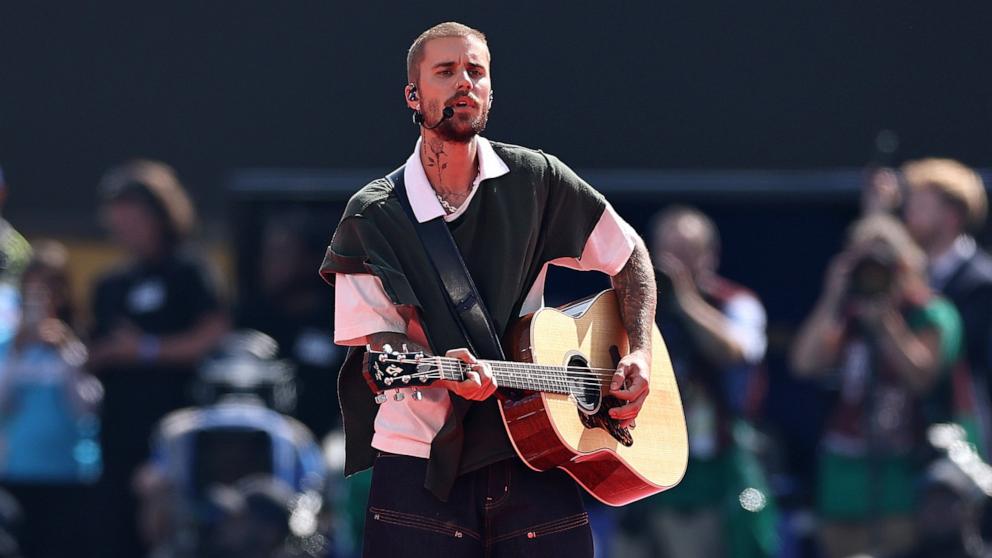
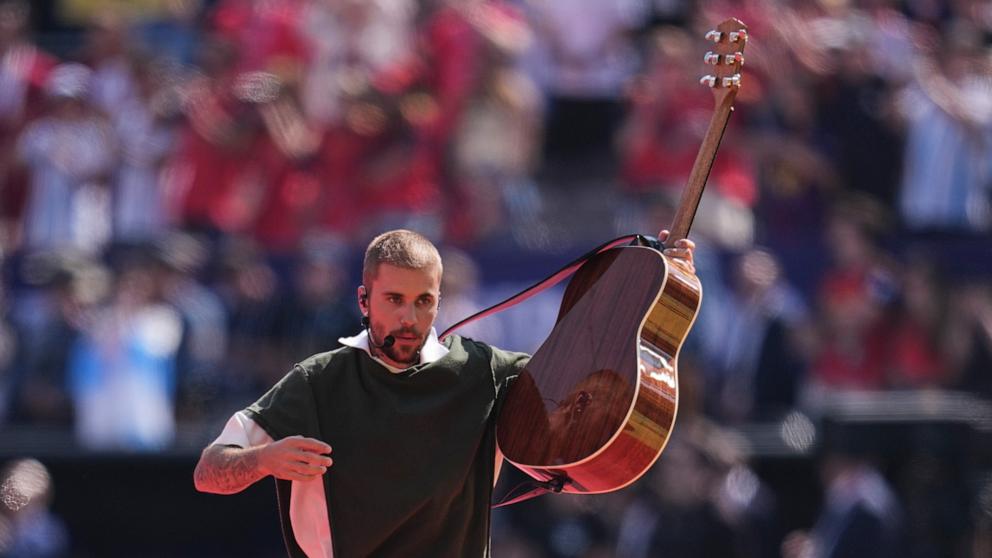
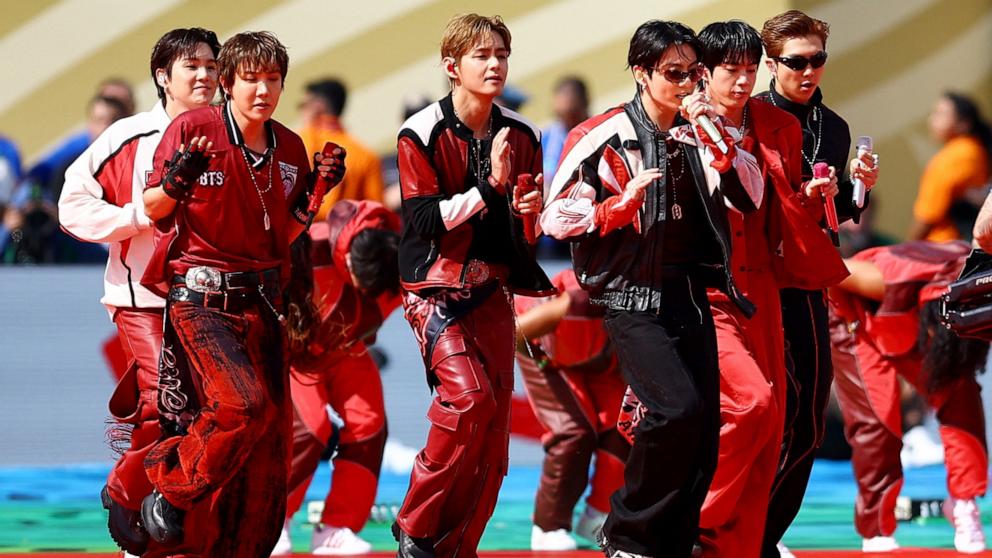
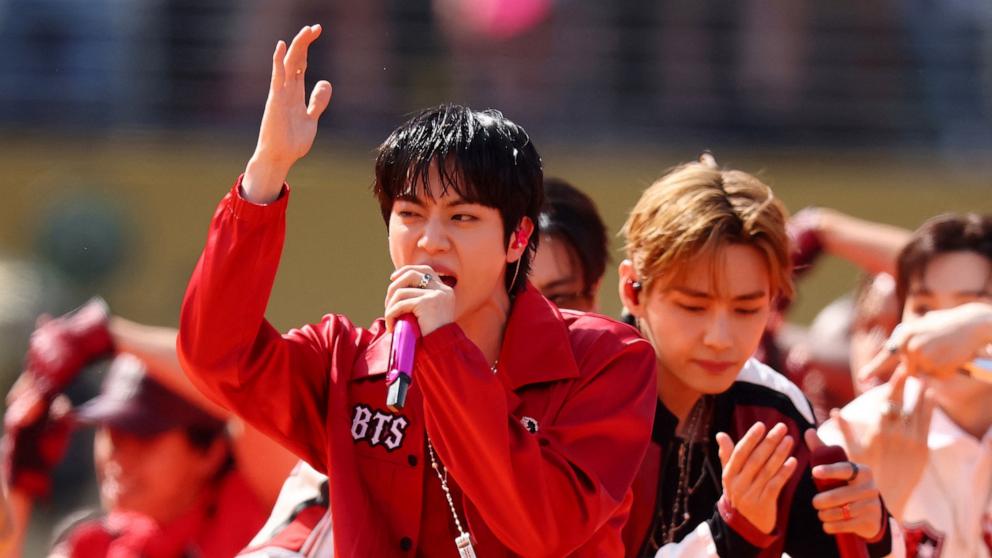
Global K-pop sensations BTS energized the stadium with their worldwide smash “Dynamite,” while actor Jason Sudeikis, appearing as his fan-favorite character Ted Lasso, introduced Justin Bieber, whose special World Cup rendition of “Hallelujah” delivered one of the night’s most emotional moments.
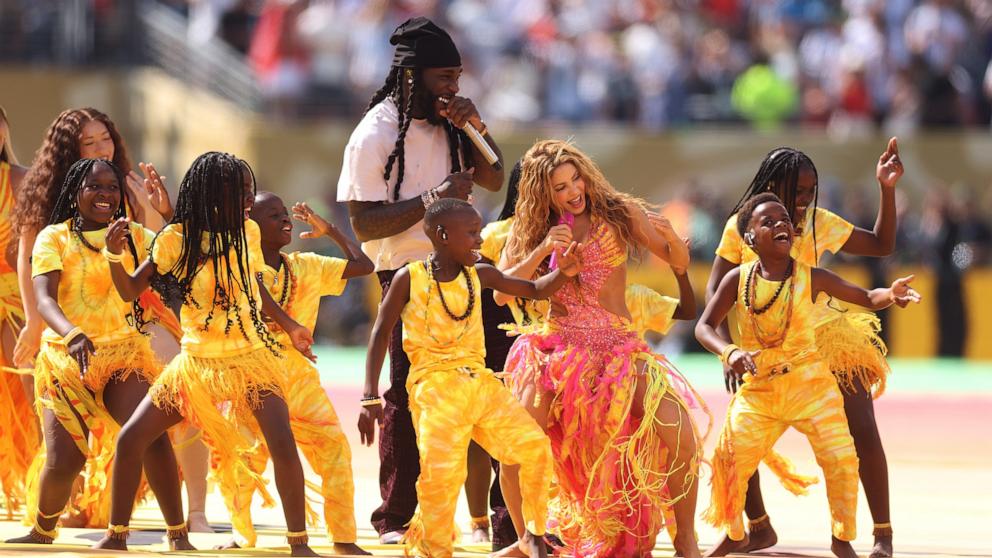
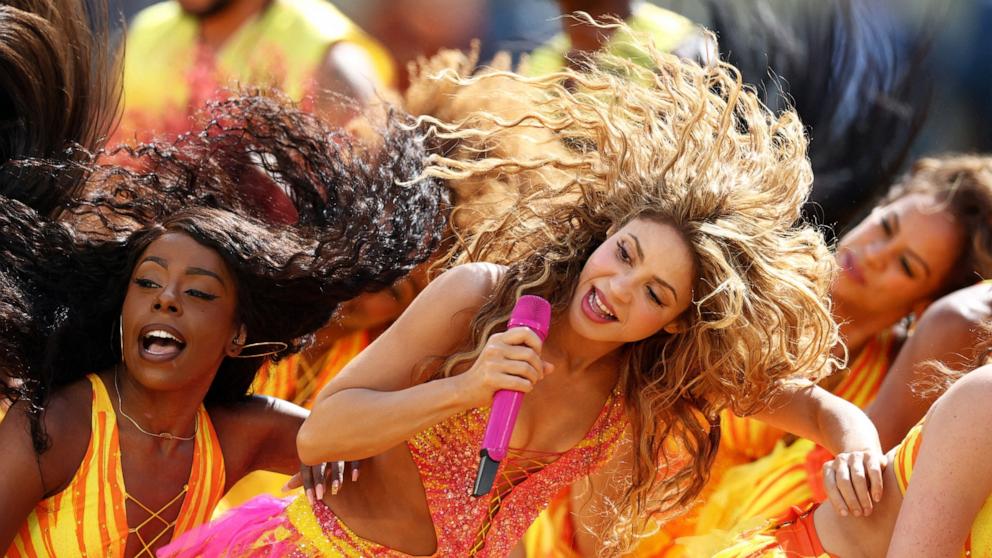
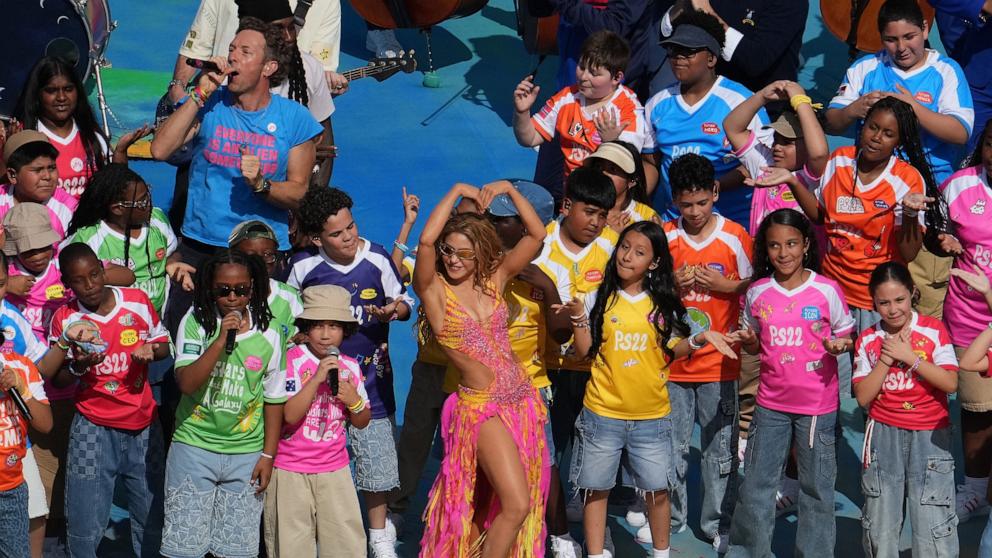
The energy reached another level when Shakira and Burna Boy united to perform the official 2026 FIFA World Cup anthem, “Dai Dai,” filling the stadium with infectious rhythms that celebrated the tournament’s international spirit.
To close the landmark performance, Chris Martin, joined by the PS22 Chorus from Staten Island and an ensemble of Muppet characters, premiered “We Dance,” an original anthem written specifically for the occasion—a fitting finale that emphasized hope, togetherness, and the unifying power of sport.
Music With A Mission
Beyond the dazzling performances, the halftime show carried a meaningful purpose. The production supported the FIFA Global Citizen Education Fund, an initiative dedicated to expanding access to quality education and football opportunities for children around the world.
More than $50 million had already been raised before kickoff, with $1 from every ticket sold to the 2026 FIFA World Cup contributing directly to the campaign’s ambitious goal of raising $100 million. Artist Emmanuel Kelly, who made history as the first performer with a disability to headline a FIFA World Cup Final halftime show, summed up the evening’s message before taking the stage.
“This isn’t about any one performer,” Kelly shared ahead of the event. “It’s about reminding the world that we are one.” That philosophy resonated throughout every performance, reinforcing that music and sport remain two of humanity’s most powerful forces for connection.
A Defining Moment For Soccer In America
The 2026 FIFA World Cup represented far more than another international tournament. When the United States hosted the World Cup in 1994, the event sparked the creation of Major League Soccer, forever changing the landscape of professional soccer in North America.
Now, with unprecedented celebrity participation, viral social media moments, and one of the most ambitious halftime productions ever staged at a sporting event, many are wondering whether this tournament could leave an even greater cultural legacy.
The combination of football, music, entertainment, and philanthropy introduced the sport to millions of new viewers while creating unforgettable moments designed to resonate far beyond the final score. Whether that momentum translates into long-term growth for soccer across the United States remains to be seen, but the conversation has undoubtedly begun.
Spain Claims The Trophy And FIFA Redefines The Experience
As Spain lifted the FIFA World Cup trophy following its hard-fought victory over Argentina, another milestone had already secured its place in history. The tournament proved that football’s biggest stage can successfully embrace world-class musical performances without overshadowing the game itself. Instead, FIFA created a celebration that complemented the sport’s global appeal while introducing a tradition that many fans will likely hope returns at future tournaments.
If the inaugural FIFA World Cup Final Halftime Show was intended to unite cultures through music, inspire future generations, and showcase the universal language of sport, it accomplished exactly that. The match crowned a champion. The halftime show made history.